
Last updated November 21, 2026
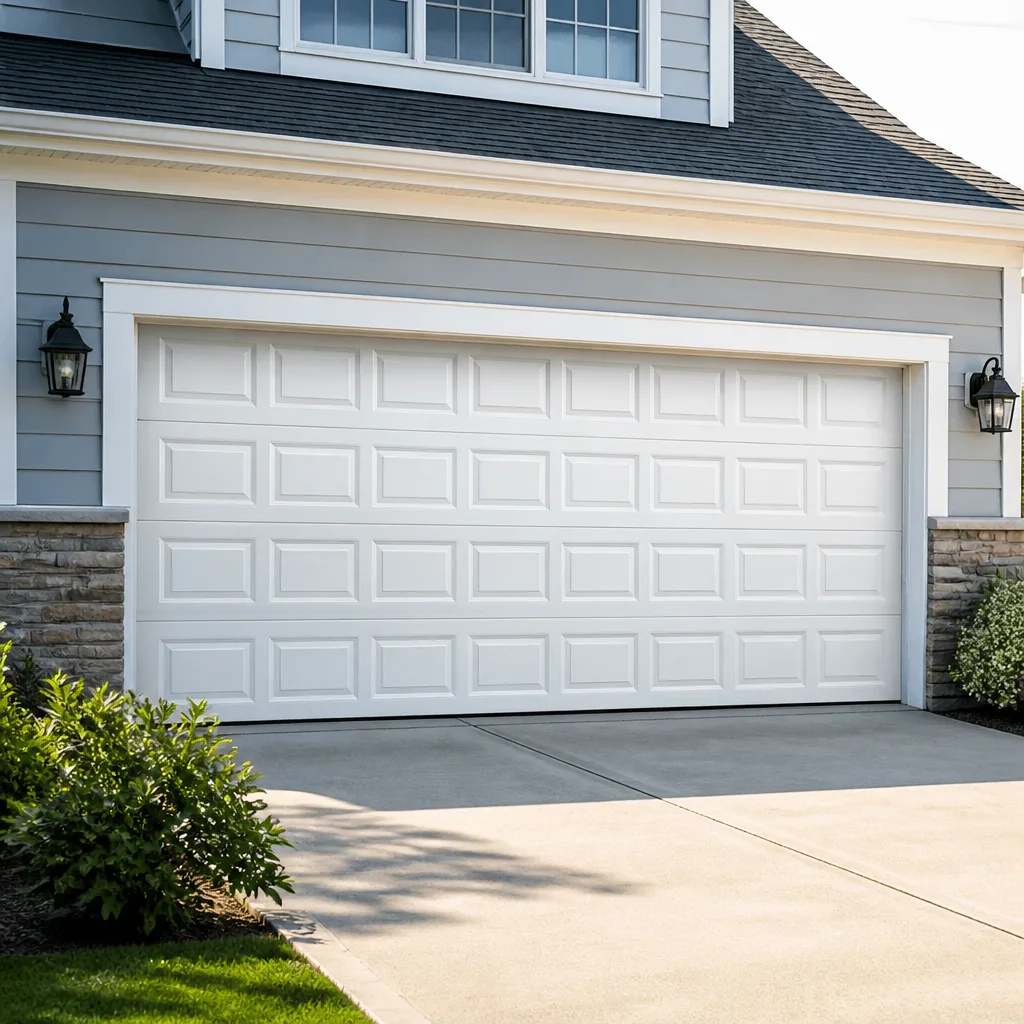 Raised-panel steel
 Carriage house
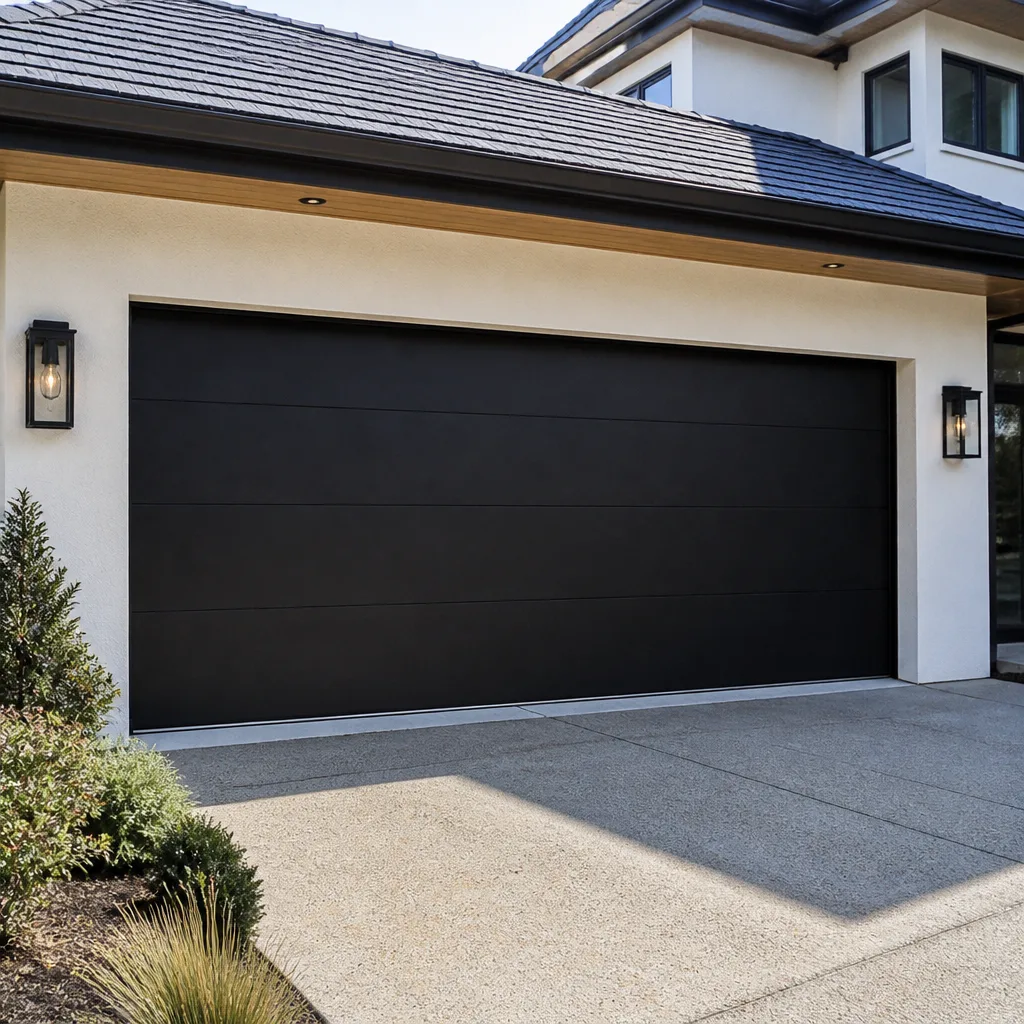 Modern flush
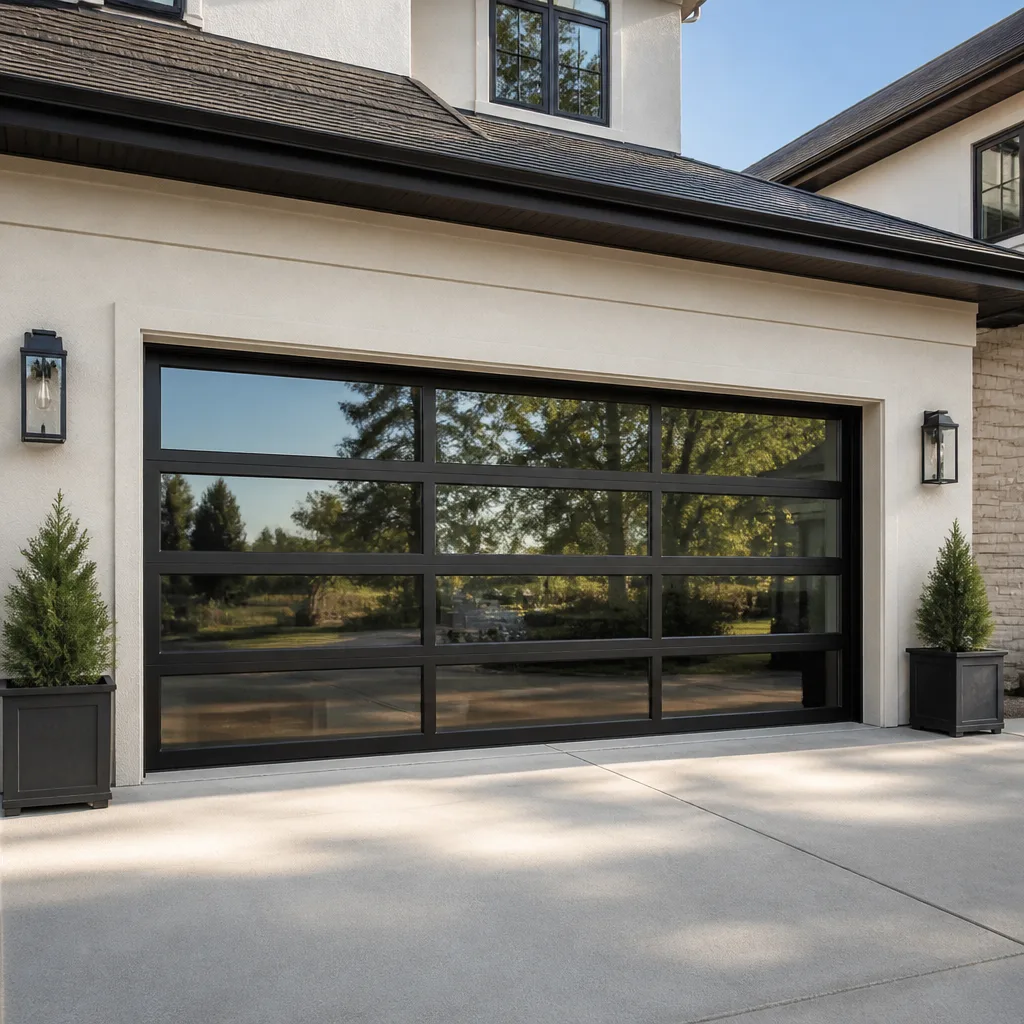 Full-view glass
 LiftMaster openers
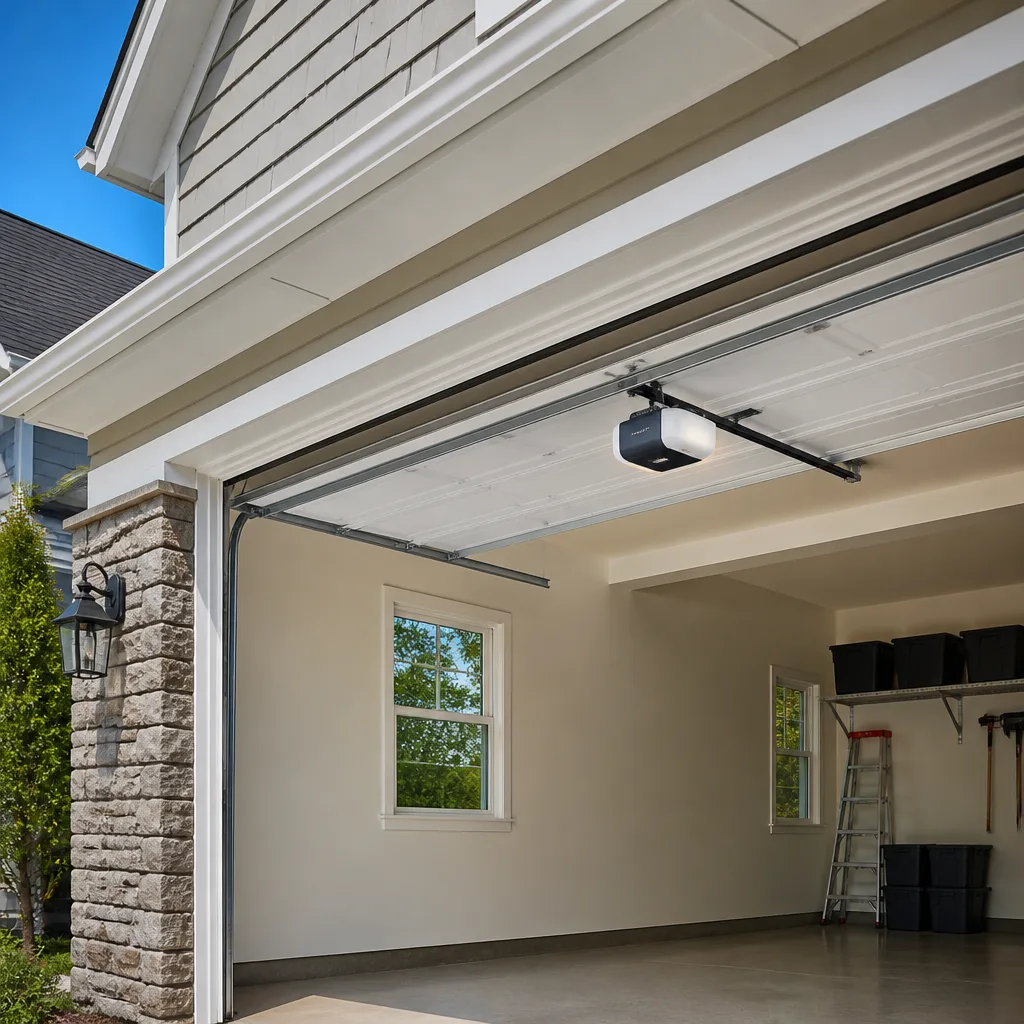 Chamberlain openers
Full 25-point door and opener safety check with every visit - springs, cables, rollers, tracks, and your LiftMaster or Chamberlain opener included
You get a price before we start. It does not change when the pro arrives.
Get your free estimateGarage Door Warning Signs: A Kent Homeowner’s Reference Guide
A grinding noise on the way up is almost never the same problem as a grinding noise on the way down. Most homeowners treat both the same way, and that’s where trouble starts. One sound is a tired roller asking for grease. The other is a cable starting to fail, and running the door again can bring it down. This guide separates the two. It gives you a “stop now” list, a “watch this” list, a noise chart you can read against what you’re hearing, and plain explanations of what uneven movement actually means. We work on garage doors across Kent, WA, and we field these questions often. By the end you’ll know which sounds and symptoms need a call today and which can wait.
Quick Answer
Garage door warning signs fall into two groups: mechanical signals that mean stop using the door (broken torsion spring, frayed cable, door off track, reversed safety sensors) and cosmetic or wear signals you can monitor (faded paint, a small weather seal gap, a slow spot that comes and goes). If you hear a loud bang and the door won’t lift, or you see a cable hanging loose, stop and call. Every sign in between has a specific cause, and this guide maps each one.
Styles & brands we work with
- Raised-panel steel
- Carriage house
- Modern flush
- Full-view glass
- LiftMaster openers
- Chamberlain openers
Table of Contents
- The Stop-Using-The-Door-Now List
- The Monitor-But-Not-Urgent List
- The Noise Diagnosis Chart
- What Uneven Door Movement Actually Tells You
- Opener Strain vs. Mechanical Trouble: The Manual Release Test
- How Kent’s Climate and Housing Shape What Goes Wrong
- Seasonal Patterns We See Around Kent
- Common Mistakes to Avoid
The Stop-Using-The-Door-Now List
Some failure modes are not a “schedule it soon” problem. When one of these shows up, stop operating the door and keep the car where it is until a technician looks at it. High-tension springs and cables store a large amount of force even when the door looks idle. That force does not care whether you’re ready for it.
Here is the definitive stop-now list, with what each problem looks like:
- Broken torsion spring. A torsion spring is the long coil mounted on the shaft above the door. When it snaps you’ll usually hear a bang, and a visible gap appears in the coil. On a torsion setup, the door may feel alarmingly light when you lift it by hand. On an extension-spring system, look for a gap in one of the springs running along the horizontal tracks. Either way, the door is now unsupported and can fall fast.
- Frayed or snapped cable. The lift cable runs down the sides of the door and winds on the drum. Run your eyes down each side and look for loose strands, a kink, or a cable off the drum entirely. A cable at the end of its life is a spring-failure risk waiting to happen, and it does fail suddenly.
- Door off track. A door is off track when the rollers have jumped out of the rails, which you’ll see as a gap between roller and track, a visibly tilted panel, or a door that binds hard on one side. Never force a door back onto its track. Forcing it can bend panels or throw a cable loose.
- Reversed safety sensors. The two little eyes near the floor line should stop the door if something crosses their beam. Mounted out of line, caked with dirt, or blinking a fault light, they leave you without that protection. If the door closes on something and doesn’t reverse, treat it as a stop-now problem.
On any of these, call a trained technician. Spring repair is a two-person job with proper winding tools, and the risk of serious injury from a spring under tension is real. We handle garage door repair in Kent for exactly these situations. Call (866) 937-7308. We answer 24/7. Fast dispatch from 7am to 7pm, Sunday through Friday.
The Monitor-But-Not-Urgent List
Plenty of what looks alarming is slow wear, not failure. The trick is knowing when “watch it” turns into “fix it.” Here is the monitor list and the point at which each item actually crosses into call-worthy:
- Faded paint or sun-bleached panels. Purely cosmetic and about appearance, not function. It becomes action-worthy when fading has turned into cracking or peeling that lets moisture into the panel seams.
- A small weather seal gap at one corner. A gap lets water, cold air and small pests in but doesn’t affect door operation. It’s worth fixing when the gap lets in visible daylight along the bottom, or when water on the floor shows it’s getting through.
- A slow spot at one height of travel. A door that hesitates briefly at the same spot can be early roller or track wear. It’s monitor-worthy until it happens every single cycle, or until you can feel the door drag when you operate it by hand.
- A single noisy op that then returns to normal. A roller or hinge that covers the odd squeak isn’t failing yet. If the same spot squeals on every cycle, that’s a lubrication or roller-wear signal.
- Slightly wobbly panels. Panels that flex a little with vibration are usually fine. Panels that flex far enough to show a visible gap at the hinge are moving toward track trouble.
Everything on this list has a simple test: does the problem get worse? A slow spot that stays slow for a month is one thing. A slow spot that gets lower and harder each week is a mechanical problem moving toward a stop-now failure. If you’re not sure which side of the line you’re on, call and describe it. A short call beats a costly failure.
The Noise Diagnosis Chart
The type of noise tells you more than the volume does. Here is the chart we use when a homeowner calls and describes a sound down the phone:
- Squealing, high-pitched. Most likely worn or dry rollers, or a hinge that needs lubricating. Often a DIY lubrication fix on a metal roller, but squealing that persists after greasing points to a roller on its way out.
- Grinding on the way up. Usually the door dragging against tracks or rollers, sometimes a roller that has flattened and is skidding. Grinding on the way up is a mechanical binding signal, not a lubrication one. This one gets a call.
- Grinding on the way down. Often a roller or track issue that’s only visible when the door’s weight shifts downward, or a drum problem. Different problem, different fix. Also a call.
- Banging. A single loud bang with the door stopped is the classic torsion spring failure. A series of bangs means the door is jumping its track or a panel is catching. Either way, stop operating and call.
- Clicking. A steady click at the start or end of travel is usually the opener’s safety reverse sensor or a limit setting. That’s an opener problem, which means garage door opener repair rather than door repair.
Note what you can reasonably grease (metal rollers, hinges) and what you shouldn’t (the track surface, cables, springs). The big four – spring, cable, track, sensor – are not lubrication jobs. When a noise doesn’t match a DIY fix, the honest answer is to have it looked at.
What Uneven Door Movement Actually Tells You
A door that rises a little crooked isn’t just annoying to watch. Uneven movement points to one of three mechanical causes, and each carries a different urgency.
- A track out of alignment or bent. One side of the door follows a rail that has shifted, been bumped, or bent. Urgency: moderate to high. It gets worse the more the door travels, and it can lift a roller out of the track.
- A cable winding unevenly. One cable is tighter than the other, or a drum is winding irregularly. Urgency: high. This is the cause that fails without much warning, and it’s the same cable that can snap.
- A spring that’s lost tension on one side. On a two-spring torsion system, one spring may have aged out before the other. Urgency: high, especially if the door feels heavier than usual.
A crooked door isn’t a spirit-lifting metaphor. It’s a mechanical signal, and it should be read before you keep running the door. If the door is visibly tilted at rest, not just in motion, that’s a stop-now sign. If it’s only uneven while moving, it’s a schedule-soon sign. For an experienced eye on it, a technician can tell the difference in a couple of minutes on site.
Opener Strain vs. Mechanical Trouble: The Manual Release Test
A lot of “the opener is failing” calls are actually a door problem the motor is working hard to overcome. Before you call about the opener, separate the two.
The manual release test:
- With the door fully closed, pull the red manual release cord to detach it from the opener rail.
- Lift the door by hand slowly from the bottom. On a balanced door, this should be manageable for an adult, and the door should stay where you leave it, partway up.
- Lower it by hand slowly, keeping your hands clear of the hinges and panels.
If the door is hard to lift, feels heavy, or slides down on its own when you let go, the trouble is in the door – springs, cables, tracks or rollers – not the opener. If the door moves easily and stays put but the opener still strains, the motor or its settings are the problem. Never run the opener with the door released and expect normal results; re-engage the release before using the door again.
For a modern opener, a struggling motor can also point to a setting or a dead unit. We work on the brands that are actually installed in Kent homes – LiftMaster, Chamberlain, Genie, Craftsman – and we know the hardware on those systems. If the problem is the opener itself, that’s a separate repair. Call (866) 937-7308 for a free estimate.
How Kent’s Climate and Housing Shape What Goes Wrong
Kent is a wet, cool, west-facing valley town. For a garage door, that mostly means two things: moisture and temperature swings.
Moisture is the quiet one. A weather seal that sits dry for most of the year can start letting water in when it rains. Wet wood along a bottom seal, a swollen frame, or a rusty hinge is a classic pattern here. Rust on the hinges and rollers shows up more than it does in drier places, and a rusty roller is a noise and binding risk.
Temperature swings are the other one. A door that worked fine all summer can feel stiffer through a cold snap. A lot of that is normal: the metal contracts and the lubricant thickens. What isn’t normal is a door that suddenly feels heavy or slow on only one side. That’s a mechanical check, not something to wait out through the change in weather.
Kent’s housing stock matters too. A lot of the newer neighborhoods on the east side and around the valley have smaller, higher-travel doors on smart openers. Older homes closer to the city center often have the opposite – a heavier door, a legacy opener, and hardware that’s lived outside for longer than its springs. Both are workable. The maintenance schedule just differs. We’ve seen plenty of both, and we’d rather tell you the honest fix than steer you toward a replacement you don’t need.
Seasonal Patterns We See Around Kent
Some problems cluster by season. Here’s what generally shows up, phrased the way we’d describe it on a call:
- Late fall and winter: cold snaps stiffen the door and thicken the lubricant. Weather-seal leaks show up when the rain returns. Doors that felt fine all summer suddenly feel heavy.
- Spring: the first stretch of warmer days often brings the loud morning failure – the spring that’s been aging quietly through the winter. Homeowners notice a loud bang on that first warm morning. Plan for a spring check before the warm-up, not after.
- Summer: dry, warm air brings out the noise – squeals, grinds and clicks. Dry rollers and hinges are the usual culprit. That’s your lubrication window.
- Year-round: openers are the one system that fails without much seasonal pattern. A modern opener with a bad sensor or dead logic board can give up in any weather.
None of these are unique to Kent. What’s local is the combination: wet winters, a cool valley, and a mix of newer and older homes. Those are the things a Kent homeowner should watch for, and none of them are a reason to panic on a normal day.
Common Mistakes to Avoid
- Greasing the tracks. The rails are supposed to stay dry. Grease there collects grit and can make the door slip and jump rollers faster. Grease the rollers and hinges, leave the track alone.
- Forcing a door back onto the track. If a roller has jumped, forcing the door can bend panels, kink a cable, or damage the track beyond a simple fix. Stop operating and call.
- Ignoring a slow spot because it “comes around.” Early roller or track wear often shows up as a slow spot first. Waiting until it’s constant usually means a bigger repair and a higher bill.
- Doing spring work yourself. A torsion spring is not a DIY component. Homeowners who try to wind one are running a real risk of serious injury. Call a trained technician. Spring repair is a two-person job with proper tools.
- Calling for a new door when the problem is a spring. A door that won’t lift is usually a broken spring or cable, not a door that’s reached end of life. Get the diagnosis before you commit to a replacement.
- Skipping a post-winter check. In Kent’s climate, the wet months and the cold snaps are exactly when wear quietly turns into a problem. A routine spring and cable check is the best prevention.
- Watching a warning sign for months and hoping it fixes itself. Garage door problems don’t improve on their own. A noise or a slow spot that persists is on its way to a bigger repair.
See the difference
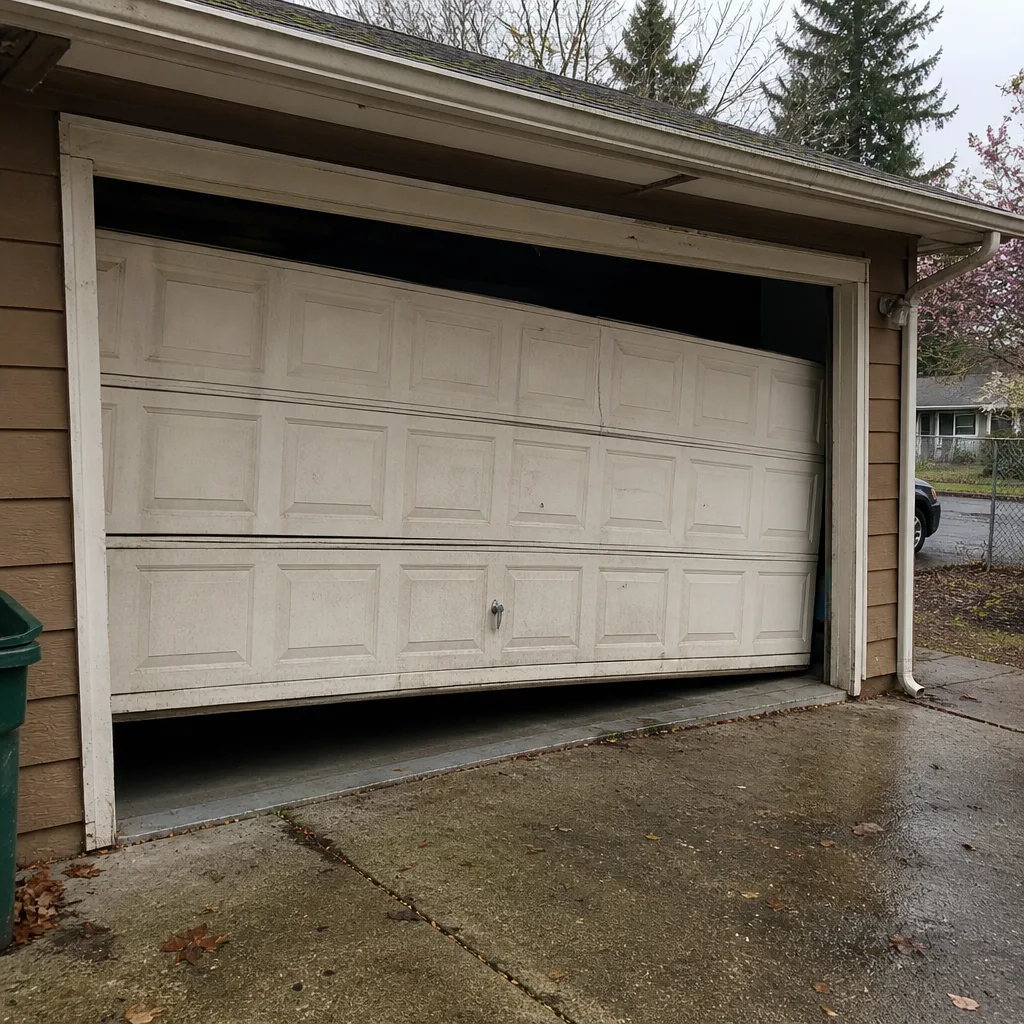 Before
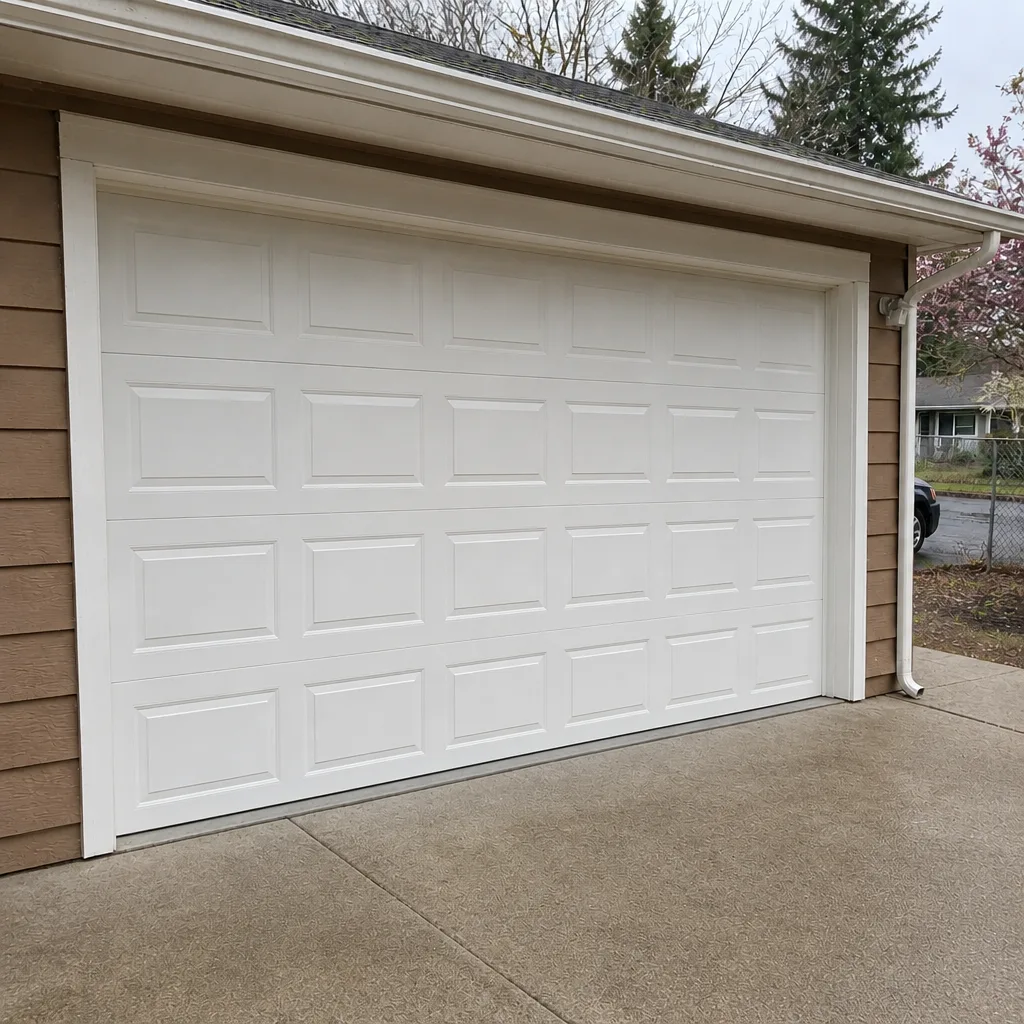 After
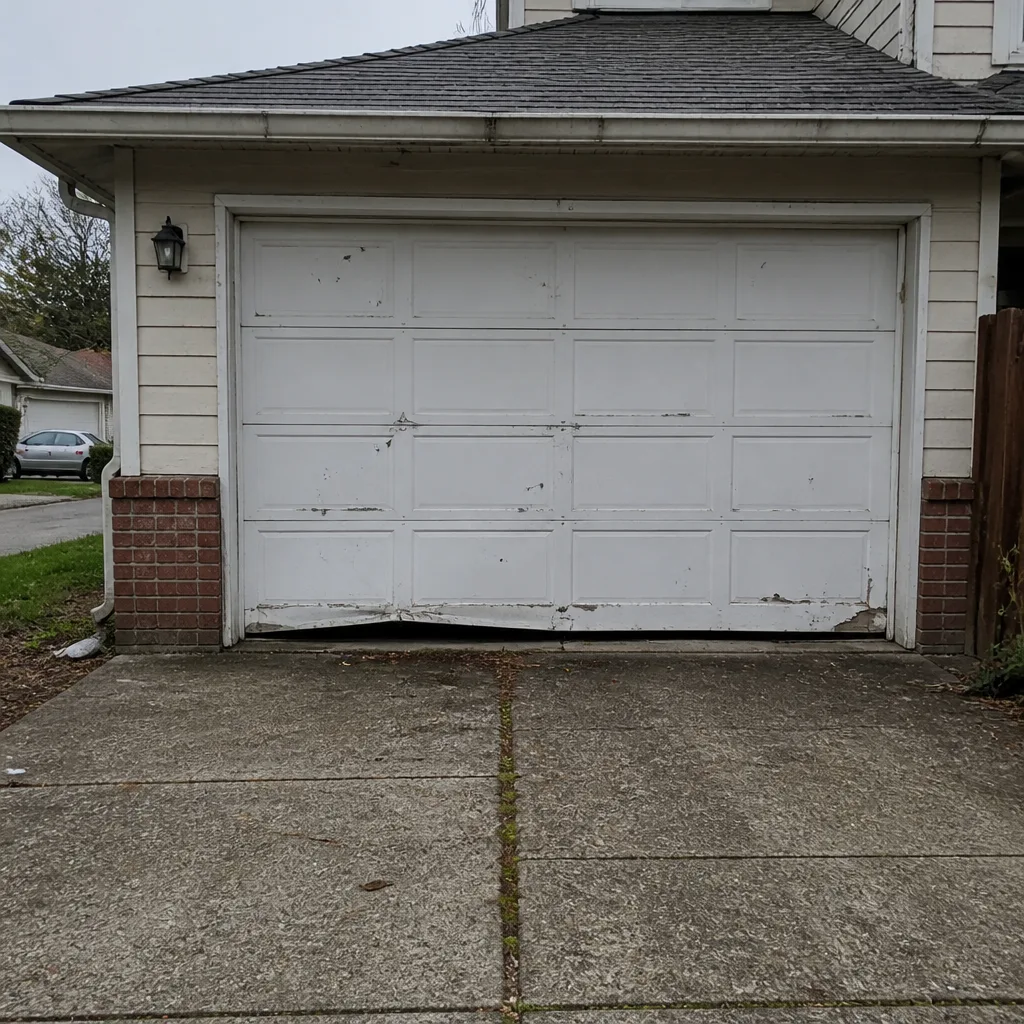 Before
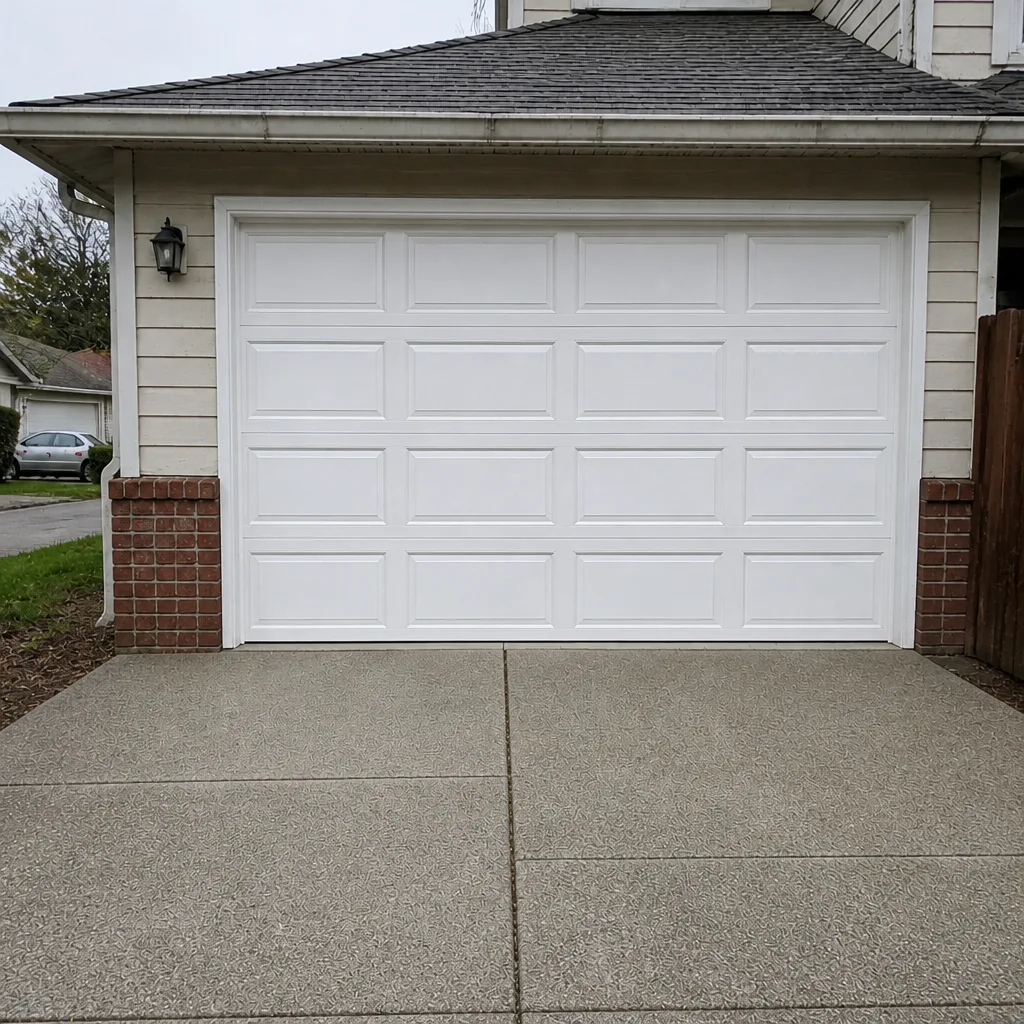 After
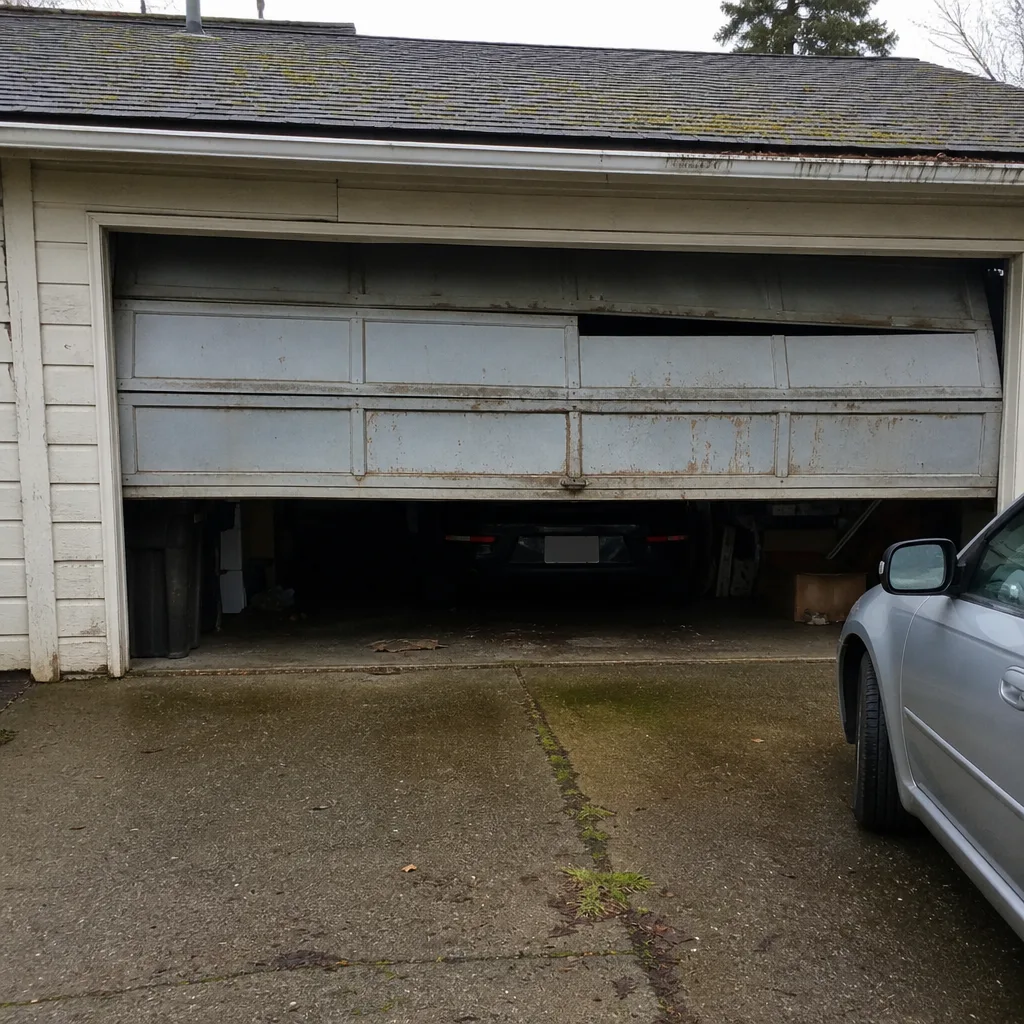 Before
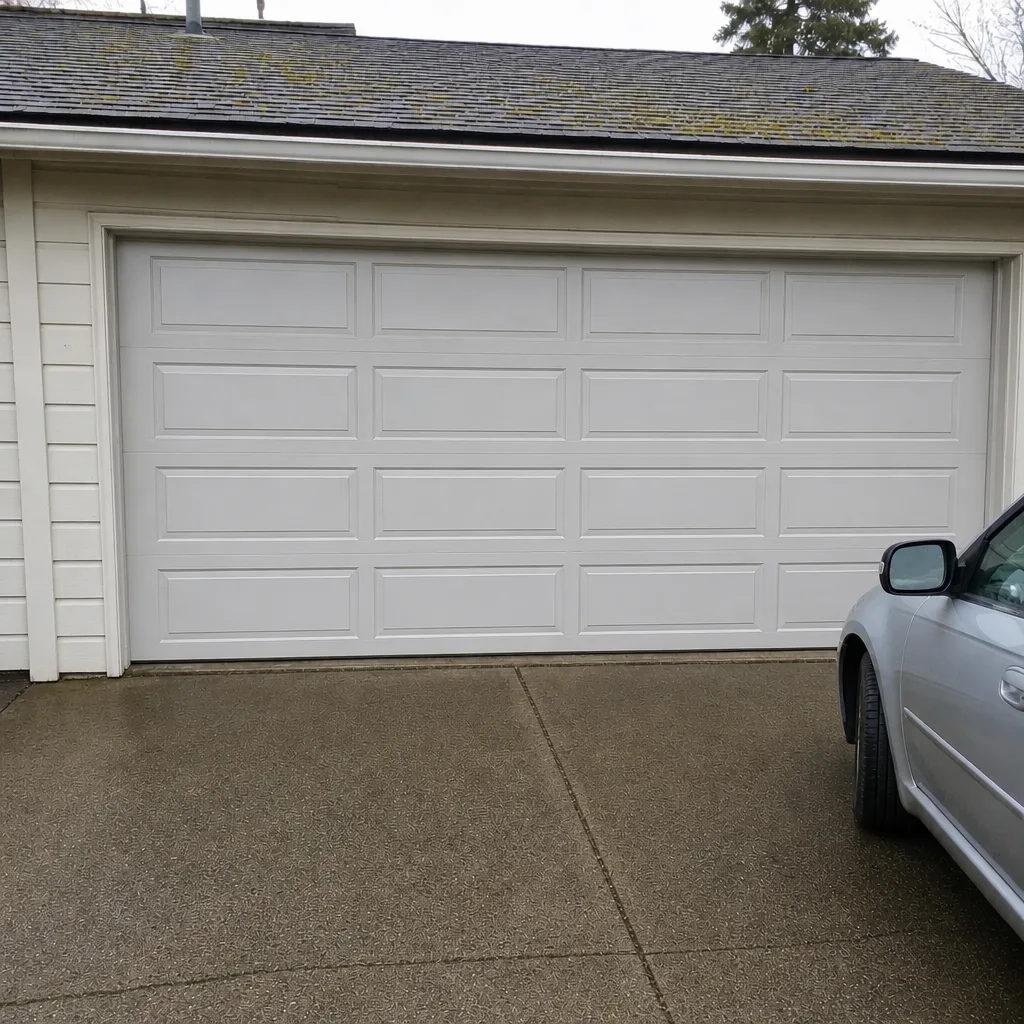 After
When to Call a Professional
Call us when the door won’t lift, when you’ve heard a bang, when a cable is loose or frayed, when the door is visibly crooked or off track, or when the safety sensor won’t reverse the door. Also call when a slow spot won’t go away after a lubrication pass, or when the opener is clearly straining against a door that moves easily by hand. Those are the cases where a trained eye saves you money. Our technicians have up to 15 years of experience, and they arrive already familiar with the hardware on the job. Kent Garage Door Repair Co offers free estimates in Kent. Call (866) 937-7308. We answer 24/7. Fast dispatch from 7am to 7pm, Sunday through Friday. If a door fails outside those hours, we’ll book you into the next opening.
Frequently Asked Questions
The single most reliable sign is a loud bang followed by a door that won’t lift or feels alarmingly light when you try. Look for a visible gap in the torsion spring coil or in an extension spring. If you see either, stop operating the door and call a trained technician. Call (866) 937-7308 for a free estimate.
No. A frayed or loose cable is one of the stop-now warning signs because it can fail suddenly. Stop operating the door and call a technician. The risk of a cable snapping and the door coming down makes this a call-today situation. Call (866) 937-7308.
Grinding on the way up usually points to the door dragging against its tracks or a roller that’s flattened and skidding. It’s a mechanical binding signal rather than a lubrication one, so it’s worth a diagnostic call. Grinding on the way down tends to point to a different problem, such as a drum or track issue. Call (866) 937-7308 for a free estimate.
Pull the manual release cord, then lift the door by hand once it’s closed. If the door is easy to lift and stays where you leave it, the opener is likely the problem. If the door feels heavy or slides down on its own, the issue is in the door’s springs, cables or tracks. If you’re not sure, call (866) 937-7308.
Yes, if it’s visibly tilted at rest or uneven during the whole cycle. Uneven movement usually points to a track out of alignment, a cable winding unevenly, or a spring that’s lost tension on one side. Those are worth a look before they get worse. Call (866) 937-7308 for a free estimate.
Watch for weather-seal leaks and rusty hinges through the wet months, and a suddenly heavy door through cold snaps. Kent’s combination of wet winters and temperature swings makes those the usual suspects. A post-winter check on springs and cables is the best prevention. Call (866) 937-7308 to book a free estimate.
The Bottom Line
Garage door warning signs aren’t all one thing. A broken spring, a frayed cable, a door off track or a reversed sensor means stop now. A faded panel, a small seal gap, a slow spot that comes and goes means watch it. The noise chart and the manual release test tell you which bucket you’re in, and the line between them is clear once you know what to look for. If you’re not sure, describe it to a technician. Kent Garage Door Repair Co handles repair, opener repair, spring repair and installation for the brands you already own, from Craftsman and Raynor to LiftMaster and Chamberlain. Whether you need a look at a symptom or a full new door, we’ll tell you the honest fix.
Call (866) 937-7308 for a free estimate. We answer 24/7. Fast dispatch from 7am to 7pm, Sunday through Friday.
For more on what we do, see Kent Garage Door Repair Co and our garage door installation service.
Written by the team at Kent Garage Door Repair Co.