
Last updated November 21, 2026
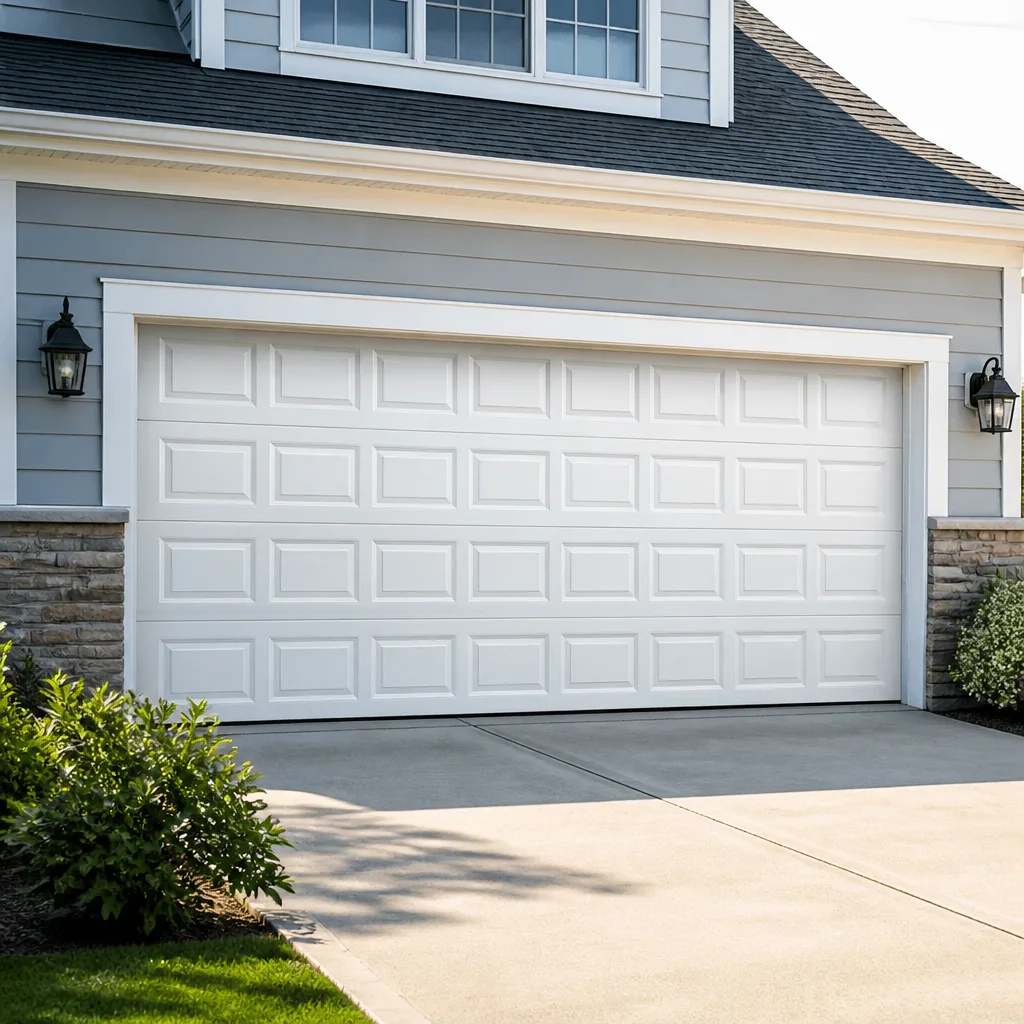 Raised-panel steel
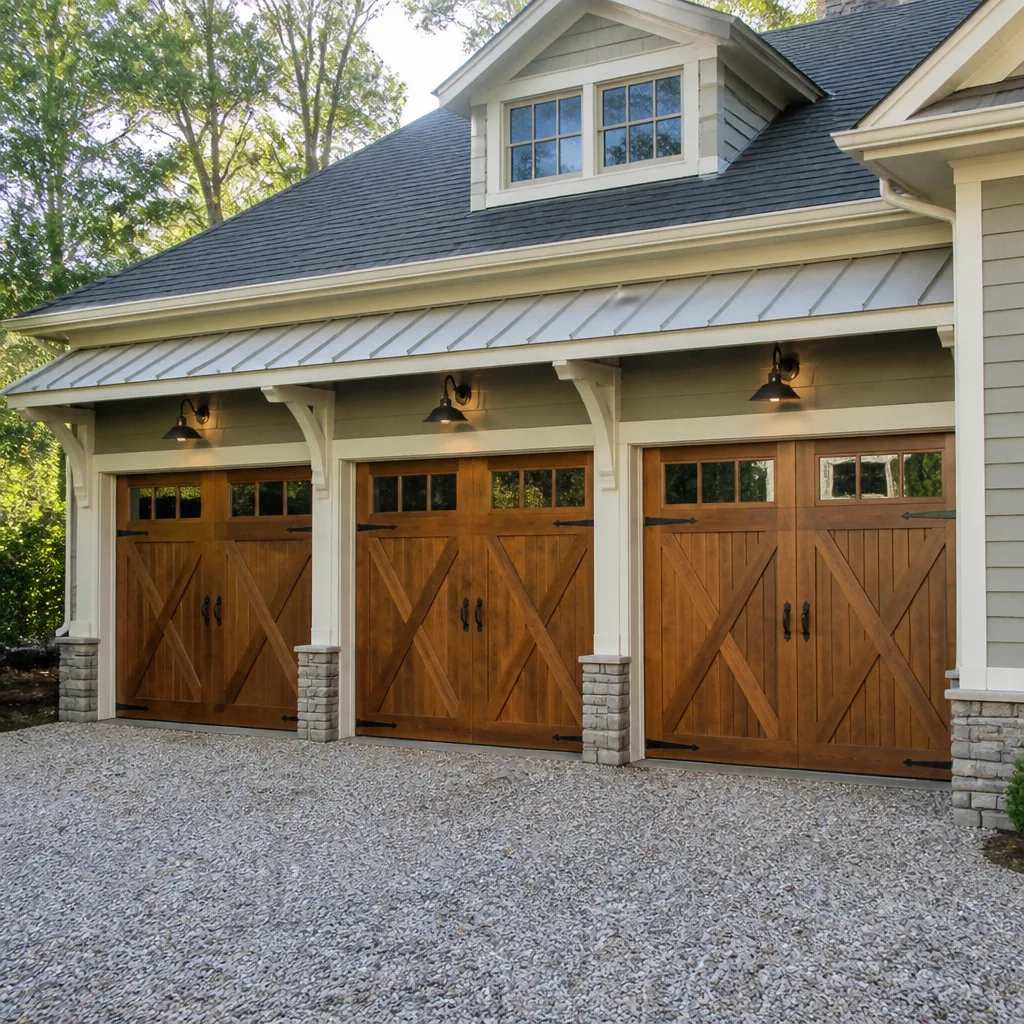 Carriage house
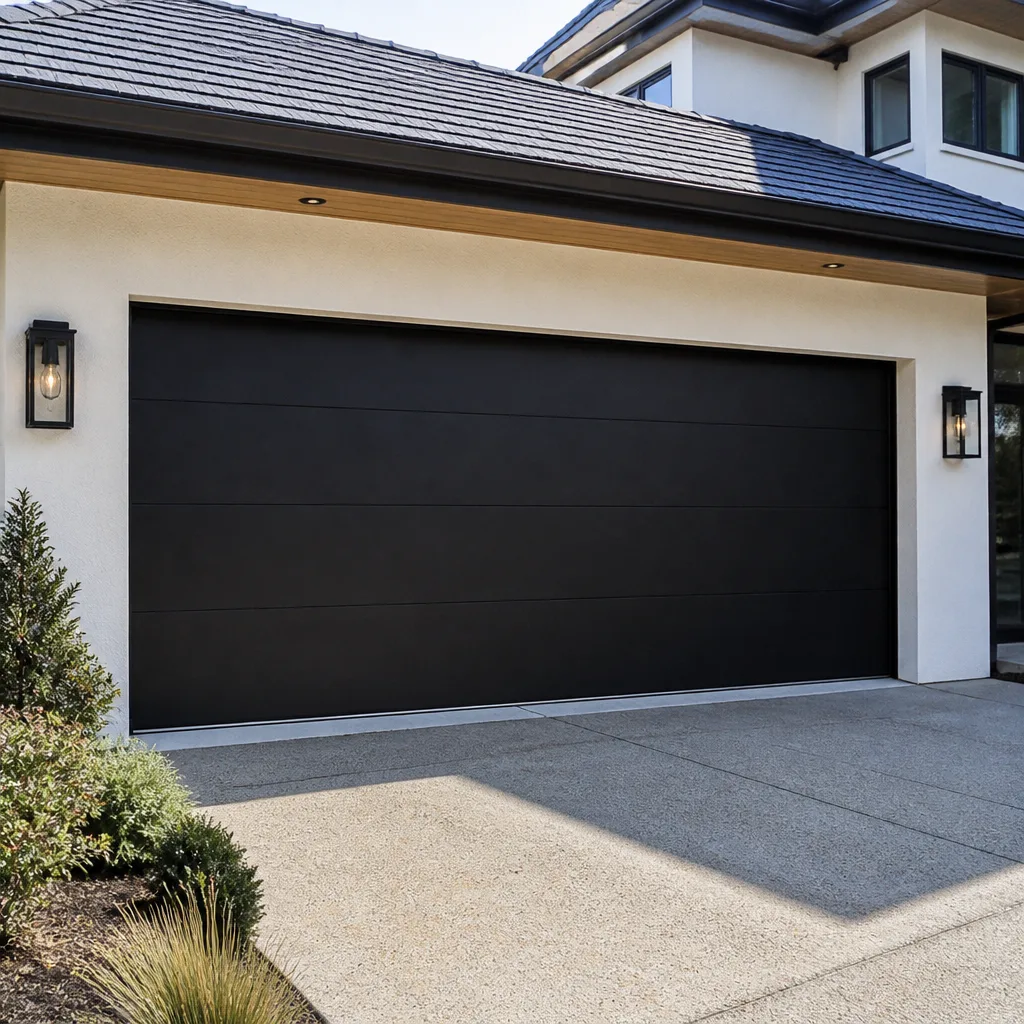 Modern flush
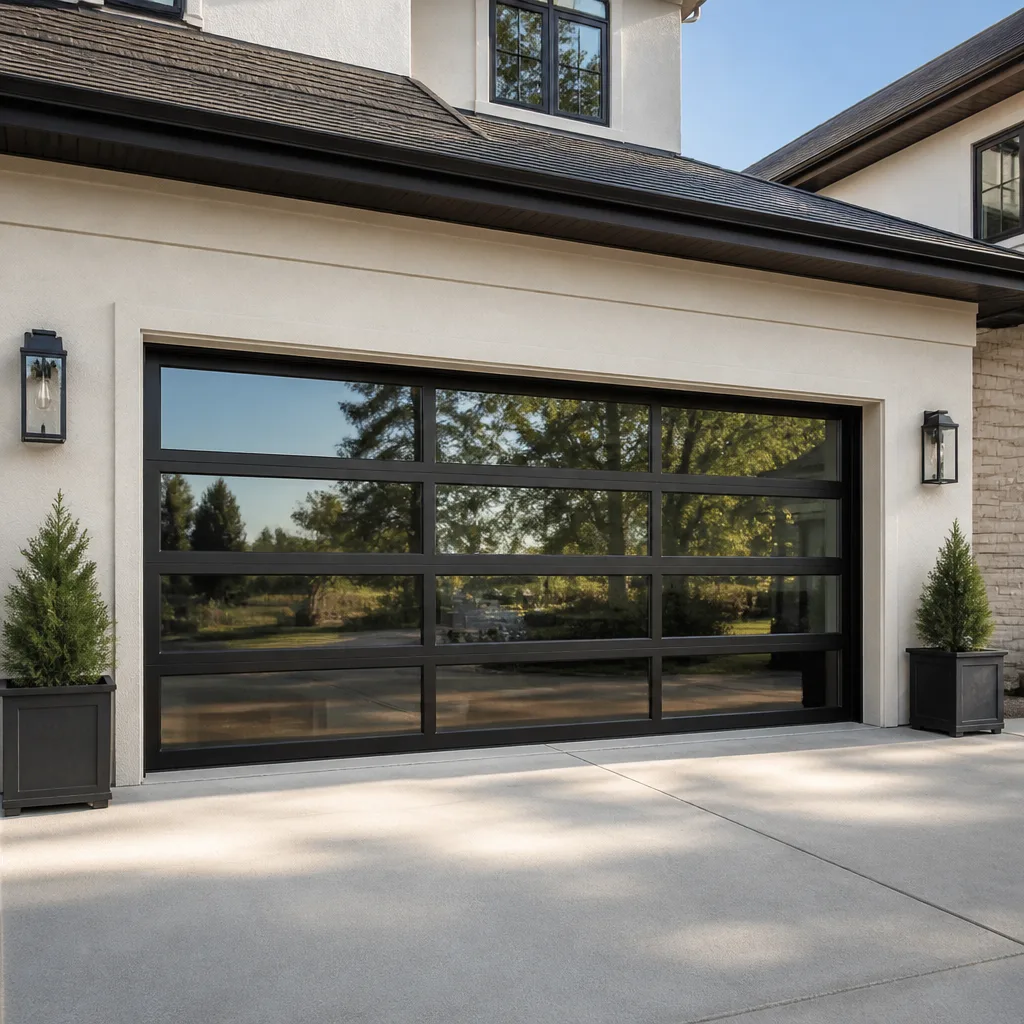 Full-view glass
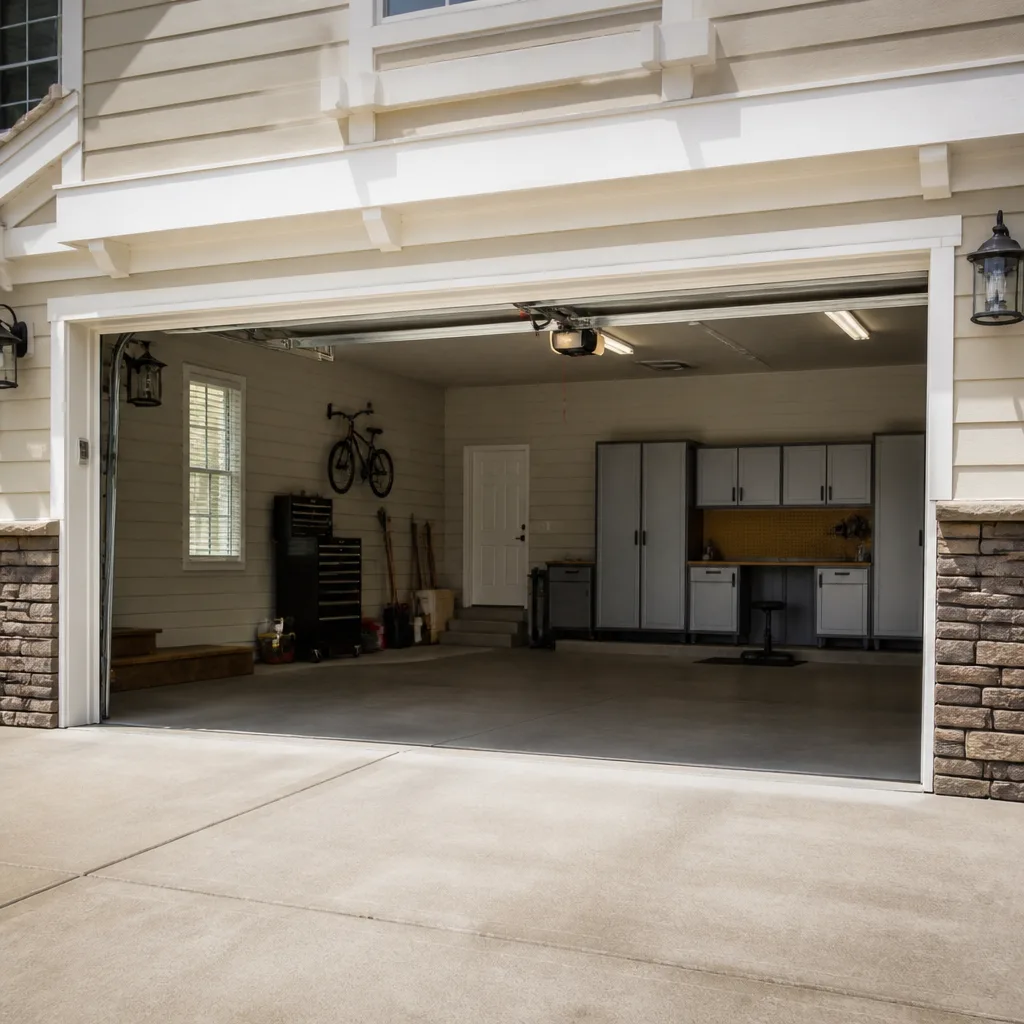 LiftMaster openers
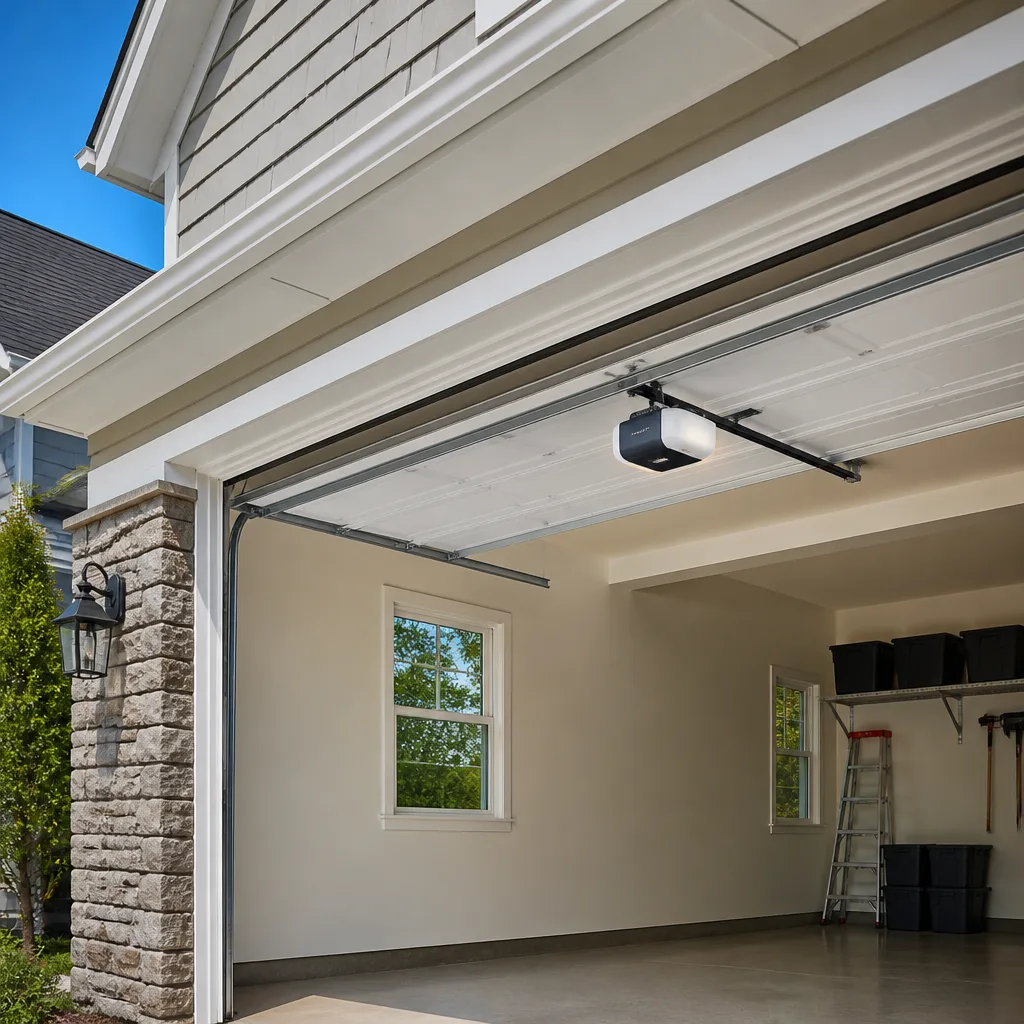 Chamberlain openers
Full 25-point door and opener safety check with every visit - springs, cables, rollers, tracks, and your LiftMaster or Chamberlain opener included
You get a price before we start. It does not change when the pro arrives.
Get your free estimateGarage Door Permits, Codes & Inspections in Kent, WA: What You Need to Know
Here’s the part that surprises most Kent homeowners: swapping a garage door for the same size door in the same opening almost never needs a building permit. That’s true, and it’s why so many replacements get done without one. But the exceptions are narrow and specific. Add a new opener circuit, widen the opening, or touch the header framing and you’ve crossed a line that most people don’t see until a buyer’s inspector points it out. This guide draws that line clearly. You’ll learn which changes trigger a permit in Kent, what a city inspector actually looks at, how unpermitted work surfaces at resale, and how to confirm the current thresholds yourself before you spend a dollar.
Quick Answer
A straight like-for-like garage door replacement in Kent, WA usually does not require a building permit. You do need a permit when the work changes the size of the opening, alters structural framing around the door, or adds new electrical wiring for an opener circuit. Opener replacement on an existing circuit is generally treated as a swap, while a brand-new opener wired from scratch falls under electrical permitting. When in doubt, call the City of Kent building department – thresholds have shifted between remodel cycles, and a two-minute phone call settles it.
Styles & brands we work with
- Raised-panel steel
- Carriage house
- Modern flush
- Full-view glass
- LiftMaster openers
- Chamberlain openers
Table of Contents
- What actually triggers a garage door permit in Kent
- How the IRC and Kent code treat a garage door change
- UL 325 and the electrical permit question
- What a city inspector looks at during a garage door inspection
- How unpermitted work surfaces at resale
- How to confirm current Kent permit thresholds
- Seismic bracing, wind rating and the Kent climate
- Frequently asked questions
What Actually Triggers a Garage Door Permit in Kent?
The trigger is not the door itself. It’s what happens around the door. A permit in Kent becomes necessary when your project stops being maintenance and starts being an alteration to the structure or the electrical system. The door panel and track are considered finish components in most cases; the rough opening, the framing and the wiring are not.
Three categories pull a garage door job into permit territory:
- Opening size change. Going from a single door to a double door, raising the header height, or narrowing the rough opening all alter the structural opening. That’s a framing change, and framing changes need a permit.
- Structural header or post work. If the header above the door is cut, sistered, replaced or reframed, that’s load-bearing structure. This is permitted work and it usually requires an engineered or prescriptive detail.
- New electrical. Adding an opener where none existed, running a new circuit, or installing a dedicated outlet for a modern smart opener is electrical work. In Washington, that’s a separate electrical permit handled through the state’s electrical program or your city, depending on jurisdiction.
A plain replacement – same size opening, same tracks, opener reused or swapped on the existing outlet – sits outside all three. That’s why most garage door replacement in Kent goes forward without a permit, and why that’s the correct call when the scope really is a swap. The trouble starts when a “replacement” quietly becomes a remodel and nobody re-evaluates the permit question.
If you’re unsure which category your project falls into, our garage door installation page walks through scope differences, and we can help you sort out what’s a swap versus what’s an alteration. We take a repair-first approach, so we won’t push you toward a full replacement when a smaller fix keeps you within the no-permit zone.
How the IRC and Kent Code Treat a Garage Door Change
Washington State adopts the International Residential Code with amendments, and Kent enforces it locally through its building department. The IRC sections that matter here fall into a few groups, and understanding them helps you predict whether your project needs review.
Structural provisions. The IRC governs how headers, posts and openings are framed. Any change to the rough opening, the header span or the wall bracing around a garage door is treated as a structural alteration. Those require a permit, plans and inspection.
Egress and safety provisions. The IRC covers the connection between a garage and the living space – the door and separation requirements. If you’re changing a door that serves as the vehicle entry, you’re not typically touching these provisions, but if your project reconfigures the garage/house separation, the code applies.
Electrical chapter. Wiring and receptacle requirements for garage door operators fall under the electrical provisions, which in Washington are handled through a separate electrical permit process. This is where a lot of homeowners get surprised: the door itself didn’t need a permit, but the new outlet feeding the opener did.
The general pattern worth remembering: the IRC treats garage door replacement as maintenance, and treats opening changes and structural framing as construction. Kent’s local code follows that split. You can read the specific sections yourself through the Washington State Building Code Council, which publishes the adopted IRC with state amendments, and through the Kent municipal code online. Both are public and current.
In our experience, the miscategorization goes both ways. Homeowners sometimes over-permit a simple swap, spending money and time they didn’t need to. More often, they under-permit a header change, assuming the contractor “handled it” when no permit was ever pulled. That second scenario is the one that shows up at resale.
UL 325 and the Electrical Permit Question
UL 325 is the safety standard for garage door operators – the standard that governs entrapment protection, the reversing mechanism, and the photo-eye system. It matters for permits because when you install a new opener circuit, the electrical inspector is verifying that the operator installation conforms to the electrical provisions while the opener itself is being certified to UL 325 by the manufacturer.
The practical split:
- Opener swap on existing wiring. You’re replacing the head unit on an existing outlet and existing circuit. No new electrical permit in most cases. The new opener carries its UL 325 listing, and the photo-eye wiring is part of the operator package.
- New opener where none existed. Adding a dedicated outlet, running a new circuit, or wiring an opener for the first time is electrical work. That requires an electrical permit in most Washington jurisdictions and gets inspected.
- Smart opener retrofit on existing circuit. Installing a modern LiftMaster or Chamberlain unit with Wi-Fi and battery backup on existing wiring is typically a swap, but if the installation requires any new hardwiring, the electrical permit question reappears.
What UL 325 actually covers, in plain terms: the reversing mechanism that sends the door back up when it meets resistance, the force settings, and the photo-eye. These are the safety functions an inspector might glance at but that you, as a homeowner, benefit from knowing are in place. The photo-eye should sit about 6 inches off the floor, aligned, and function correctly – if it’s been knocked out of alignment, that’s a repair issue before it becomes an inspection issue. Our garage door opener repair team handles the brand you already own, and the smart-home brands – LiftMaster, Chamberlain, Genie, Craftsman – are ones we know well enough to keep the connected features working without pushing a full replacement.
If you’re installing a new opener or having one installed, and the head unit doesn’t come with the circuit already in place, the electrical permit is a real line item. Get it pulled. An unpermitted new circuit is the single most common way a garage door opener job ends up as a resale flag.
What Does a City Inspector Actually Look At?
The garage door inspection isn’t a mystery. Inspectors work from documented checklist items, and if you know what’s on the list you can prepare for it or check your own project against it. Here’s what a Kent building inspector or a resale inspector tends to look at when garage door work is on the record:
- Header and framing. That the header, posts and wall bracing match the approved plans and that the structural load path is intact.
- Rough opening dimensions. That the rough opening matches the approved size, within tolerance, and that the door fits the opening it was permitted for.
- Attachment. That the track and the operator are anchored into structural framing, not drywall or light blocking.
- Electrical. That any new outlet or circuit is grounded, protected and correctly wired to the opener per the electrical provisions.
- Safety devices. That the UL 325 photo-eye is installed, aligned and functional, and that the operator’s reversing mechanism responds.
- Separation and egress. That the garage/house separation requirements are undisturbed if the project touched that wall.
- Labelling. That any required manufacturer listings and warning labels are present on the operator.
An inspector is not evaluating how the door looks. They’re verifying that the structure, the wiring and the safety devices comply with the approved scope. A door that opens smoothly but was installed with the track anchored to drywall fails that check. A door with a clean finish and a misrouted new circuit fails too.
The point of learning the checklist is simple: the same items that fail inspection are the items that tend to be the weakest part of a hurried installation. When you hire the work out, ask what the installer does about header attachment, track anchoring and the photo-eye alignment. A confident answer tells you a lot.
How Unpermitted Work Surfaces at Resale
Here’s what actually happens when a garage door project goes in without a permit it needed. It sits quietly. The door works. Nothing looks unusual, and years pass. Then a buyer’s home inspection, or the seller’s disclosure review, or a title company pull during closing surfaces the discrepancy.
The chain usually looks like this:
- Inspection or disclosure. A buyer’s inspector notes a new garage door or opener and asks for the permit record. None exists.
- Shop it out or remediate. The seller either produces a permit (usually not possible retroactively without inspection) or has to engage the process to get the work documented.
- Remediation. The path forward depends on the scope. Sometimes it’s as simple as pulling a permit and having the existing work inspected. Sometimes the work is opened up so the structure or wiring can be verified. In the worst cases, the framing or wiring needs rework before it will pass.
- Delay. The closing schedule, which depends on a clean inspection, slips while the process runs.
None of these are catastrophic if you catch them early. The problem is when the buyer’s inspector finds it and the seller has to solve it under pressure. The cost isn’t usually the permit fee; it’s the rework, the re-inspection, and the closing timeline. What a homeowner avoids by pulling the right permit up front is that whole chain.
The clearest preventive step: keep records. If a garage door permit was pulled at the time, save the permit number and the inspection sign-off with your home records. If you’re buying a Kent home and the garage door appears new, ask the seller for the permit record. The Washington State Department of Labor & Industries maintains records for electrical permits, and the City of Kent maintains building permit records – both are searchable.
How to Confirm Current Kent Permit Thresholds
Permit thresholds shift. Every few remodel cycles, cities revisit which small projects can skip review, and how permits get issued changes. What was true two years ago may have been revised. So rather than relying on any single guide – including this one – confirm the current rule before your project starts.
Here’s the process we recommend, in order:
- Call the City of Kent building department. Tell them exactly what you’re planning: “Replace a like-for-like garage door,” or “Replace the door and add a new opener on a new outlet.” Their answer is the authoritative one for your address.
- Check the Kent municipal code online. The city’s website hosts the current code and permit fees. Search for the building and electrical sections to see which provisions apply to your project.
- Confirm the state electrical process. Washington handles electrical permits through the state program or your city, depending on jurisdiction. Ask which applies in Kent.
- Ask your installer what they include. A garage door contractor should be able to tell you, in plain terms, whether the project as scoped requires a permit and who pulls it.
- Get it in writing. If a permit is required, it should say so in the written estimate. If it isn’t, the estimate should reflect the no-permit scope.
A note on thresholds: the question isn’t just door size or door height. It’s whether the scope changes the structure, the opening, or the electrical. Confirm all three before you’re committed.
Our free estimates include a conversation about permit scope. Call (866) 937-7308. We answer 24/7. Fast dispatch from 7am to 7pm, Sunday through Friday. We’ll walk through what the Kent building department will want to see for your specific project.
Seismic Bracing, Wind Rating and the Kent Climate
Kent sits in the Puget Sound lowlands, which means your garage door faces a wet climate with damp springs and falls, occasional wind events, and the seismic realities that come with western Washington. None of that is exotic – it’s the standard backdrop against which a garage door is installed and inspected here.
The moisture matters more than people expect. Wet air finds its way into the garage, condenses on cold metal, and works on springs, hinges and track. A door installed correctly with proper sealing and anchoring lasts longer in this climate. A door installed with the track into drywall fails sooner, and inspection is the point where the difference gets caught.
Seismic bracing isn’t typically the homeowner’s job, but it’s part of the framing package. The IRC’s seismic provisions, plus the state amendments for our region, govern how the garage wall and door opening are braced. If your project involves framing work, that bracing requirement is part of the scope and gets inspected. Ask any contractor about it.
Wind rating applies mostly to garage door panels. If you’re replacing a door with a different model or makeup, the panel’s rated wind resistance matters. Match the panel to the exposure of the door, and if you’re unsure, the manufacturer’s spec sheet settles it. Your door swaps on our garage door repair and install side are no different: the model you choose needs to suit the opening and the exposure.
For a walkthrough of what we handle across brands – LiftMaster, Chamberlain, Genie, Clopay, Amarr, Wayne Dalton, Craftsman and Raynor – and what each brand brings to a Kent installation or repair, our team at Kent Garage Door Repair Co connects you with the right local pro for the hardware you own.
Common Mistakes to Avoid
- Assuming “replacement” clears the permit question. A replacement that widens the opening, changes the header, or adds a new circuit is a remodel for permitting purposes. Look at scope, not the word.
- Skipping the electrical permit for a new opener. Running a new circuit or adding a dedicated outlet for an opener is electrical work. An unpermitted circuit is the most common garage door resale flag in Kent.
- Letting a contractor tell you “it’s not needed.” If your project touches framing or electrical, the answer is not the contractor’s to give. Confirm with the city.
- Not keeping the permit record. If a permit was pulled, save the number and the inspection sign-off with your home records. The record is what makes resale clean.
- Anchoring track and operator into drywall. This gets caught at inspection and fails. Attachment must go into structural framing; it’s not just a cosmetic preference.
- Ignoring the photo-eye after installation. The UL 325 reversing system and the photo-eye are safety-critical and get checked. If the photo-eye is misaligned, that’s a repair before the inspection, not after.
- Assuming thresholds haven’t changed since the last remodel cycle. Kent revisits its permit rules. Call the building department for the current answer, not a guide from three years ago.
See the difference
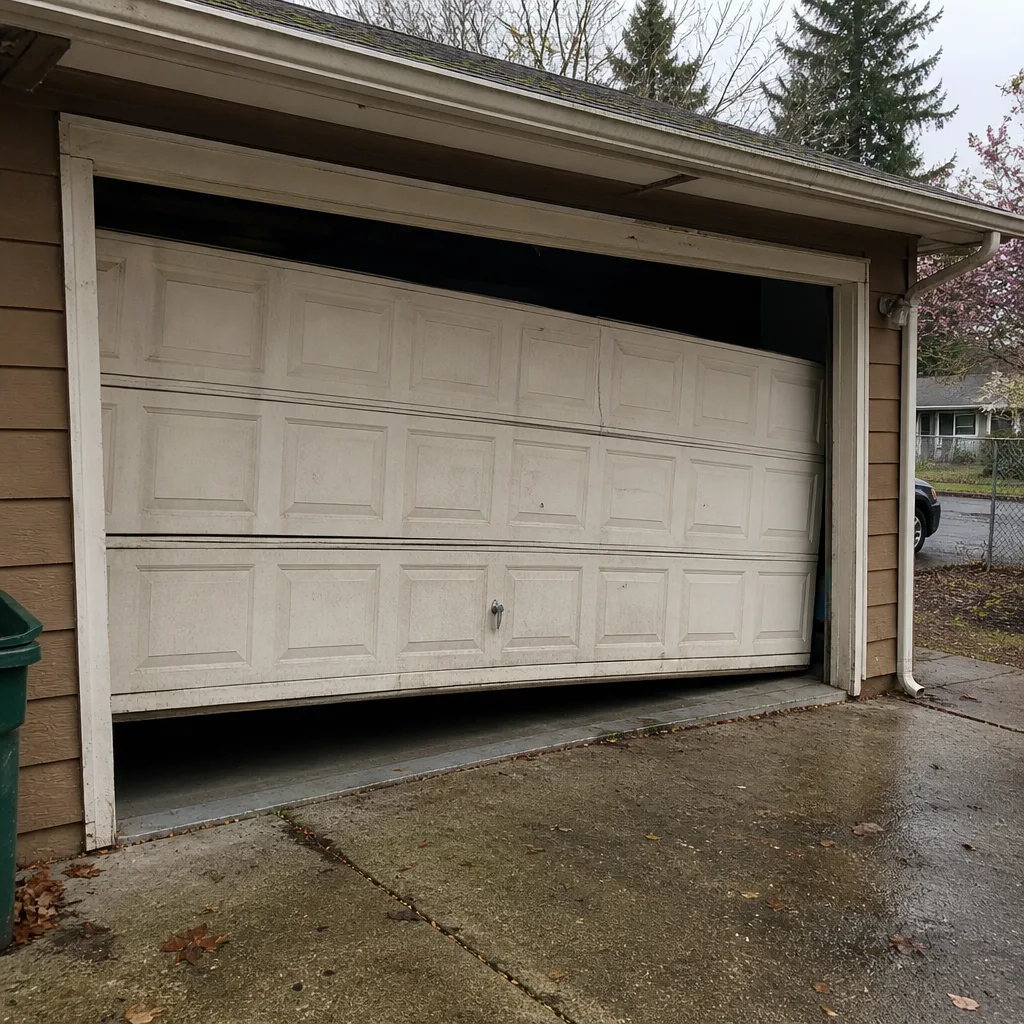 Before
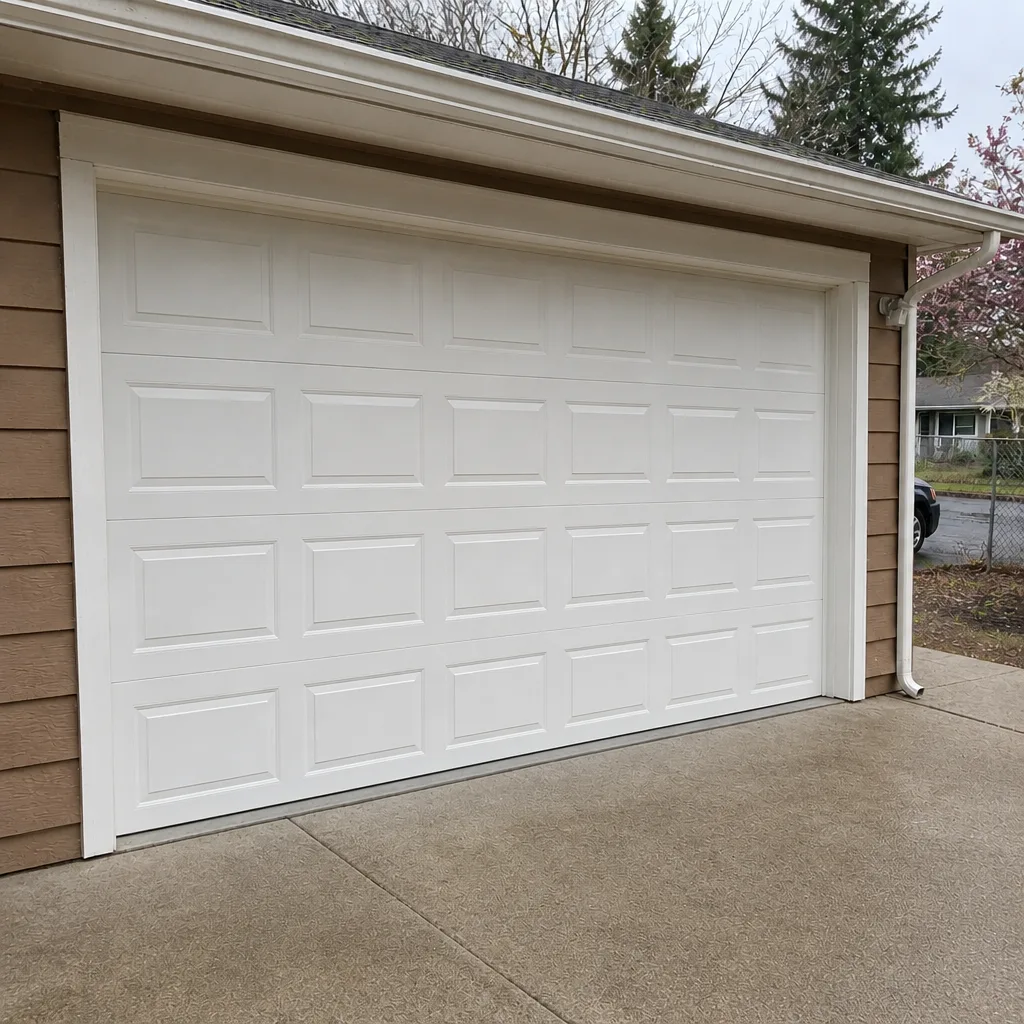 After
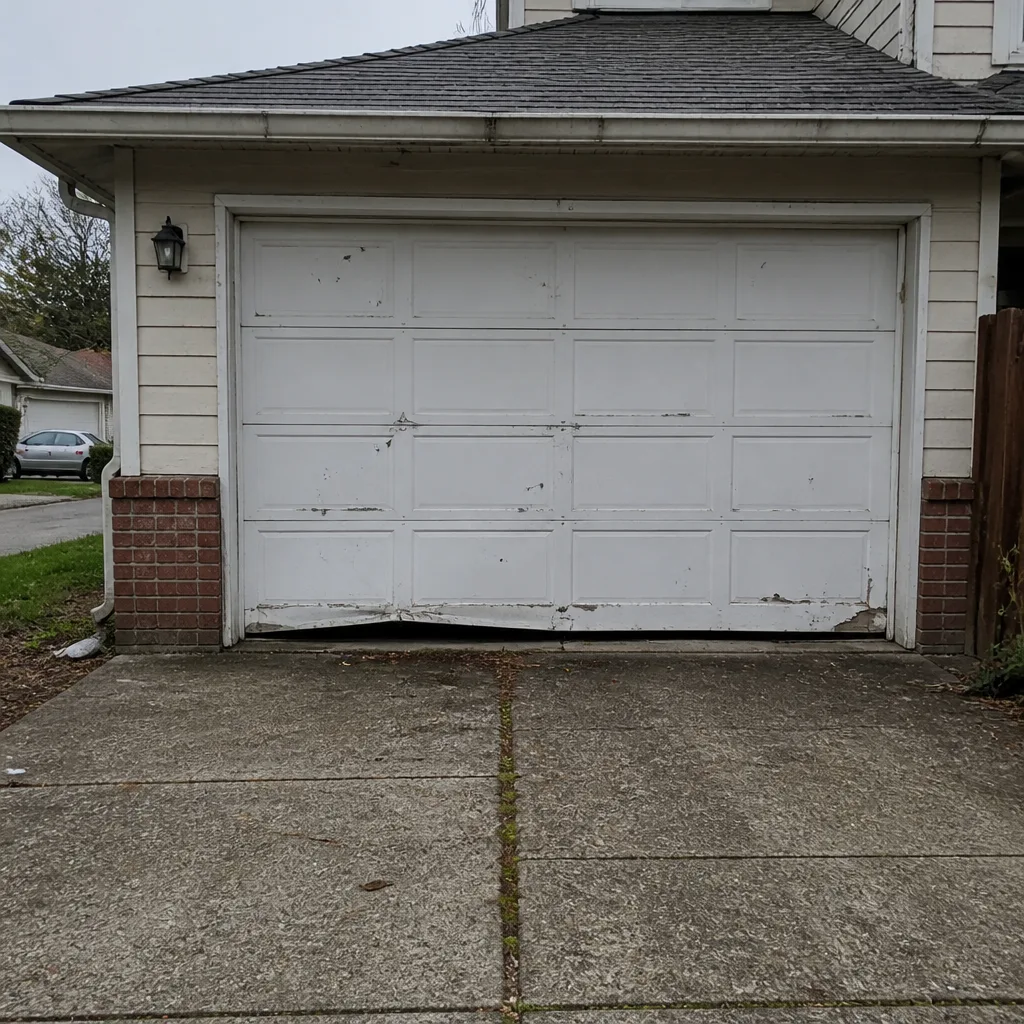 Before
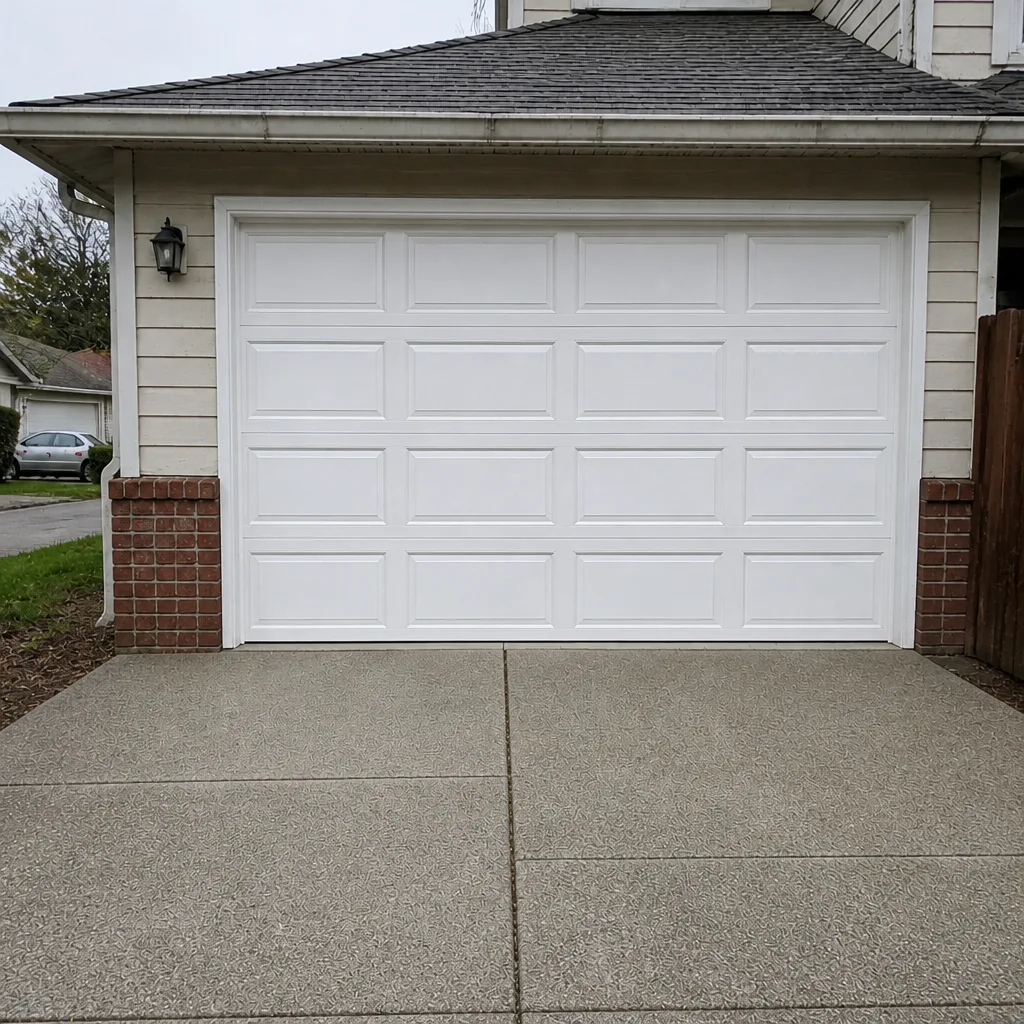 After
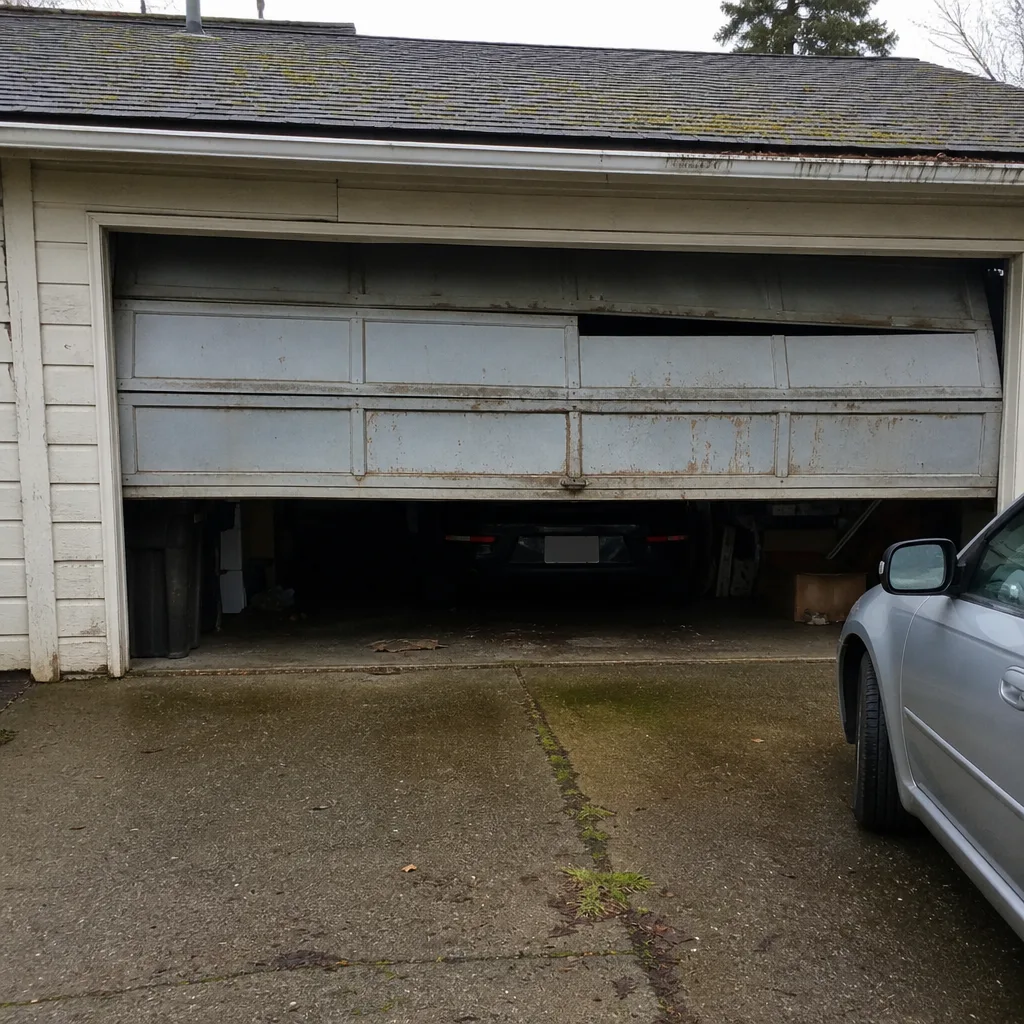 Before
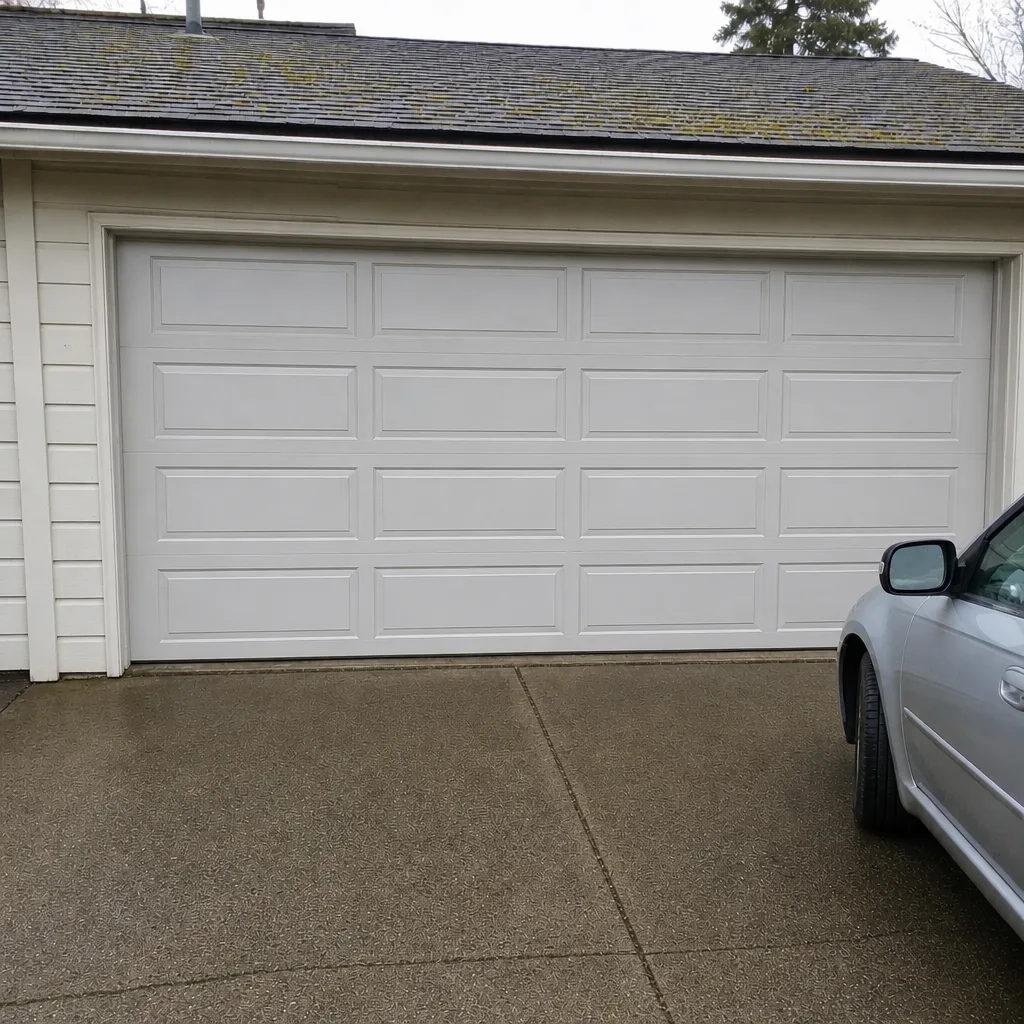 After
When to Call a Professional
Some garage door work is firmly a professional scope. Replacing a garage door spring is a two-person, proper-tools job – springs are under high tension and can cause serious injury when handled without the right equipment. Wiring a new opener circuit and touching the header framing are also not homeowner tasks. And if you’re uncertain whether your project crosses into permitted work, that uncertainty is itself a reason to bring in a trained technician who can look at the actual job and call it.
Spring repair, opener repair and structural scope all need trained hands. We work on the brand you already have across LiftMaster, Chamberlain, Genie, Clopay, Amarr, Wayne Dalton, Craftsman and Raynor, and our technicians have up to 15 years of experience. Kent Garage Door Repair Co offers free estimates in Kent – call (866) 937-7308. We answer 24/7. Fast dispatch from 7am to 7pm, Sunday through Friday.
Frequently Asked Questions
Usually no, if it’s a straight like-for-like replacement in the same opening with no structural or electrical changes. You do need a permit when the project changes the opening size, touches the header framing, or adds a new electrical circuit for an opener. Confirm with the City of Kent building department for your address. Call (866) 937-7308 for a free estimate on the door work itself.
It depends on the wiring. Swapping an opener on an existing circuit typically doesn’t require a permit beyond the operator’s UL 325 listing. Installing a new opener on a new circuit or a dedicated outlet is electrical work and generally requires an electrical permit through the state or city. Ask which applies to your job when you call us for an exact quote – estimates are free.
An inspector checks the header and framing against the approved plans, the rough opening dimensions, the track and operator attachment, any new electrical, the UL 325 photo-eye and reversing function, and the garage/house separation if it was touched. These are documented, itemized checks – not a look-over. If you want the door work scoped correctly before inspection, call (866) 937-7308.
The problem surfaces during the buyer’s inspection or disclosure review, and then remediation runs through rework and re-inspection while the closing timeline waits. The cost is usually the rework and the delay, not the permit fee. Keep your permit records on file when work is done; call us if you need a garage door inspection-ready repair.
No – the price is quoted and agreed in writing before any work starts. We set the price per job from the written estimate, and that estimate is the price. We don’t add dispatch fees or trip charges. Call (866) 937-7308 for a free estimate in Kent.
Emergency garage door service is available where a broken door leaves the home unsecured or a vehicle trapped. The permit question is for new work; a broken door needs repair now. We handle the repair, and if the underlying install turns out to need permitting, we’ll tell you honestly. Call (866) 937-7308. We answer 24/7. A call outside dispatch hours is booked into the next opening, Sunday through Friday, 7am to 7pm.
The Bottom Line
Most garage door replacements in Kent don’t require a permit – and that’s correct, not a loophole. The permit line moves when you change the opening size, alter the header framing, or add new electrical for an opener. UL 325 governs the operator’s safety functions; the electrical permit governs the circuit. Inspectors check the header, the attachment, the opening, the wiring and the safety devices, and unpermitted work that gets missed at install surfaces at resale as rework and delay. Confirm current thresholds with the City of Kent building department, keep your records, and hire a trained technician for spring and opener work. If you want a straight answer on the door side of your project, call (866) 937-7308 for a free estimate.
Written by the team at Kent Garage Door Repair Co.